From crime scene to court room
Over 90% of crimes now involve digital elements and vast amounts of data, which can take months to process. Our software, hardware, training, and professional services help investigators and analysts solve these cases more efficiently.

Your trusted digital forensics partner
Our software, CSAS, helps law enforcement analyze investigative data, create reports to an evidential standard and solve crimes quicker. Our RF hardware, Lima Cell Monitor, helps practitioners capture cellular and WiFi environments for complete cell site analysis.
Our products
Tactical and strategic solutions to help your team look deeper and respond faster in investigations.
CSAS
The powerful, accurate and secure investigative platform trusted by law enforcement.
CellView
CellView, included with CSAS, elevates cell site visualization to the next level.
Lima Cell Monitor
RF Survey hardware, optimized for law enforcement and accepted in courts in the US.
Book a demo
Get an expert walkthrough of our solutions and see how they help in the fight against crime.
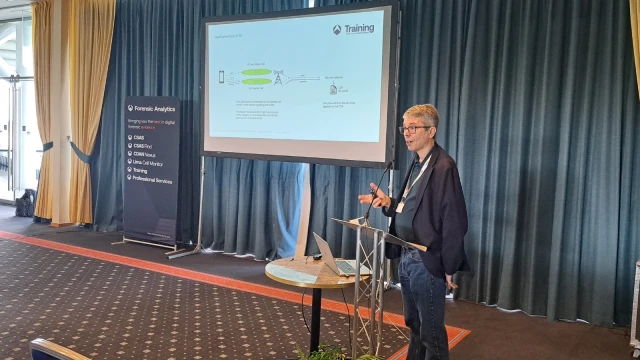
Our Training
Our expert-led training courses provide insight and practical experience for law enforcement professionals. Our training constantly evolves to ensure its relevance and robustness in the world of law enforcement.
Our story
Since 2013, we’ve expanded from a dedicated trio of engineers and expert witnesses into a leading provider of cutting-edge solutions, all focused on combating crime.

Our Partners
Our solutions are designed to exchange data seamlessly with other systems, enhancing their effectiveness and capability. We are proud to work with our technology partners to maximize the potential of our products and drive collaboration in the fight against crime.
From the Knowledge Hub
Case studies, whitepapers, news and blog.
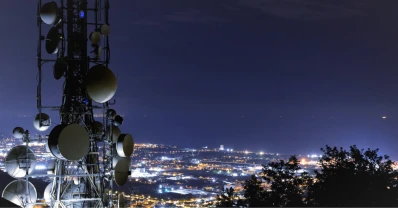
Timing Advance Short Throws: What Recent Evidence Really Tells Us
Timing Advance (TA) has long been a valuable tool in cell site analysis, helping analysts estimate the distance between a mobile device and the serving tower. Most professionals in the field understand the fundamentals: TA is derived from the delay in uplink signal arrival time, which correlates (imperfectly) with distance.
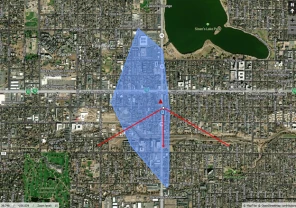
How Lima Cell Monitor and CSAS evidence was upheld in a Shreck Hearing in Colorado
In a Denver murder case, investigators overcame a two-year-old defense challenge to cellular evidence, using Lima Cell Monitor, CSAS, and a Radio Frequency Propagation Survey (RFPS) to validate Timing Advance data. The evidence held up in a Shreck hearing, helping secure a 124-year sentence for the main defendant and convictions for three others.
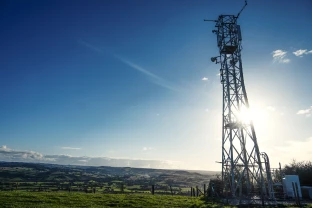
Five Common Mistakes Made in Forensic Cell Site Analysis
This article explores five critical errors frequently made in forensic cell site analysis, a key component in modern criminal investigations. It emphasizes the importance of specialized training, objective analysis, and cautious interpretation of cellular data.
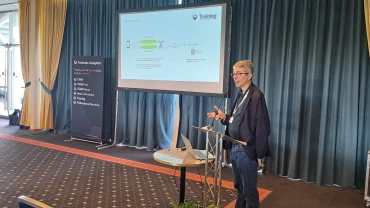
Founder Joe Hoy’s Textbook Used as a Learned Treatise in the United States
A key highlight of Joe's career was writing the set textbook used for training police investigators and digital analysts in the UK and world-wide, including the FBI. In a recent development in the courts in the US, Joe’s textbook was accepted as a learned treatise.